
Push notifications are marketed as one of the best ways to keep visitors coming back. They pop up, remind users, and supposedly boost engagement.
But what happens when your audience doesn’t want them?
Let’s break it down with a real case study that proves sometimes the best SEO strategy is to let users engage on their own terms.
Why Marketers Use Push Notifications
Most marketers enable push notifications for three reasons:
- Retention – reminding users to come back.
- Engagement – keeping your content top-of-mind.
- Conversions – nudging users into actions like booking, subscribing, or buying.
But here’s the issue: just because you can reach your audience instantly doesn’t mean you should.
Case Study: When Push Notifications Backfired
I was working on SEO for a client in the content publishing niche. Here’s what we had achieved before notifications came into play:
- 200+ blogs published using programmatic SEO.
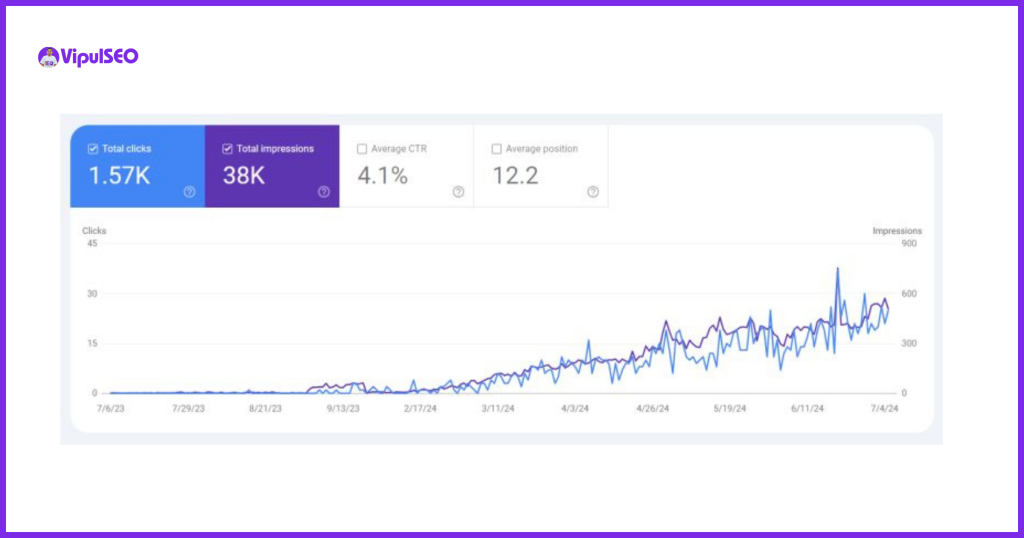
- Traffic growth of 12% month-over-month.
- Strong engagement — users spent several minutes reading blogs.
Everything was working well.
To boost retention further, we enabled push notifications.
And that’s when things got interesting.
The User Reaction
Using Microsoft Clarity, we tracked user behavior. The data revealed:
- The first action most visitors took was to disable the push notification prompt. 🚫
- Despite disabling notifications, users still read the full content. 📖
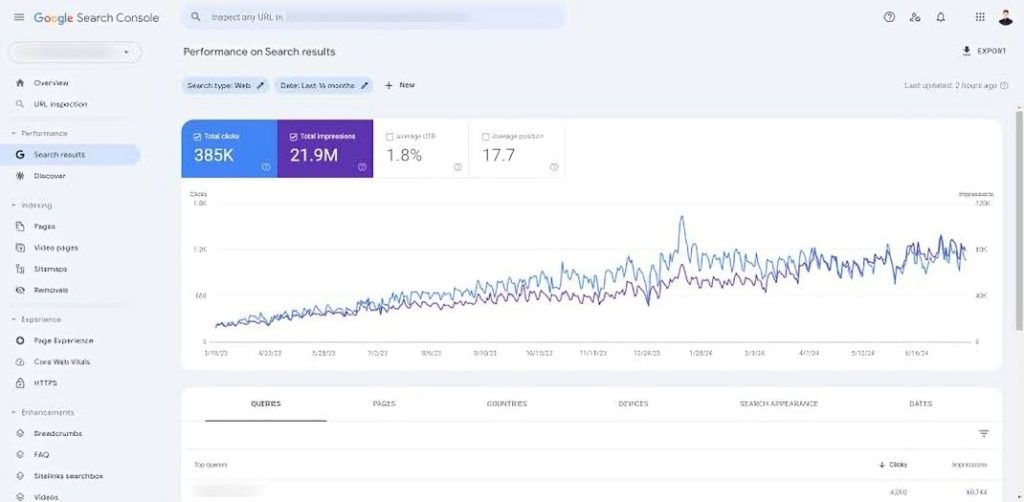
- In fact, branded searches increased in Google Search Console — meaning people remembered the website and came back on their own. 🔍
This told us something important:
👉 The content was strong enough to bring users back.
👉 The notifications were seen as an interruption instead of a value-add.
Why the Push Notifications Failed
The problem wasn’t SEO or content—it was audience psychology.
- The readers were intellectual, research-driven users.
- They didn’t want distractions or interruptions.
- They preferred to engage when they needed information.
Push notifications sent the wrong signal: “We’re chasing you.”
But what readers wanted was trust, autonomy, and the ability to return on their own terms.
The SEO Lesson Learned
This case study highlighted a key SEO truth:
- Traffic is only half the story.
- User experience is the other half.
Notifications damaged the experience, but removing them built trust. Over time, branded searches and direct visits became the real growth driver.
In other words:
- Content builds loyalty.
- Push notifications create friction.
- Brand trust leads to repeat traffic.
Conclusion
Push notifications might seem like a smart marketing hack, but they don’t always work for every audience.
In this case study, removing them actually:
- Increased branded searches.
- Improved trust and authority.
- Strengthened long-term audience loyalty.
👉 The big takeaway? If your content is good enough, your audience doesn’t need reminders. They’ll come back on their own.
That’s how you build a brand in SEO — not by chasing users, but by letting them choose you.