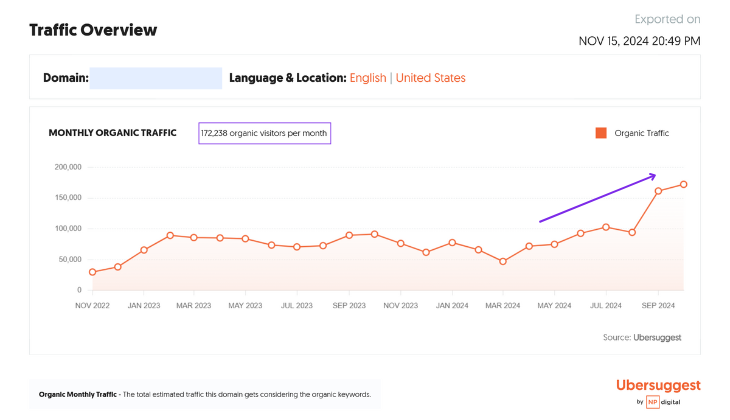

Local SEO can drive visibility, clicks, and calls—but does it always translate into real business growth? This case study of a Punjabi restaurant near Thorncliffe Park, Toronto, shows how being at the top of Google’s Local Pack doesn’t always guarantee footfall. More importantly, it reveals how understanding Google’s local ranking algorithm and aligning it with customer demographics transformed the restaurant into a destination eatery.
The Client & Goal
Six months ago, I worked with a Punjabi restaurant located near Thorncliffe Park, Toronto.
Goal: Drive more table bookings and in-person visits using Google Business Profile (GBP) as the main growth channel.
Local SEO Strategy Implemented
We launched a full-scale local SEO campaign focused on building authority, visibility, and engagement. Key steps included:
- Website Optimization → Improved landing pages and supporting content.
- Citations & Directories → Built listings across high-authority local directories.
- Local PR & Influencers → Earned features on local blogs and food networks.
- Short-Form Video Content → Created engaging food reels for Instagram, TikTok, and YouTube Shorts, gaining ~8k followers on each platform within 3 months.
The results? The restaurant ranked in the Top 3 Pack for “Punjabi restaurant Toronto” and related local intent queries.
Clicks, calls, and direction requests went up significantly.
But the reality on the ground told a different story—footfall and bookings remained low.
Why GBP Rankings Alone Weren’t Enough
Most businesses assume that ranking in the Top 3 Local Pack automatically drives conversions. But Google’s local ranking algorithm is more complex, relying on three pillars:
- Relevance → How well your profile matches search intent.
- Distance → How close the searcher is to your location.
- Prominence → Online authority, reviews, backlinks, citations, and mentions.
In our campaign, relevance and prominence were strong. The missing piece was distance—the silent killer in this case.
Advanced Local SEO Factors
Beyond the three pillars, Google also considers additional ranking signals:
- Behavioral Signals → Click-through rate, “call” actions, and photo interactions.
- Review Velocity → Not just total reviews, but the frequency and consistency of new ones.
- Entity Authority → The strength of connections between GBP, website schema, and external mentions.
- Geo-Grid Rankings → Visibility that varies block by block across different parts of the city.
When we mapped geo-grid data, we discovered a critical insight:
- The restaurant ranked strongly around Thorncliffe Park.
- But visibility dropped sharply in Etobicoke and Scarborough—areas with the largest Punjabi communities in Toronto.
In other words, the restaurant wasn’t visible to its ideal customers who lived.
The Demographic Challenge
📍 Thorncliffe Park → Smaller Punjabi population.
📍 Etobicoke & Scarborough → Largest Punjabi communities in Toronto.
Even with strong local rankings, the restaurant’s physical location limited organic footfall from its target demographic.
This explained why GBP performance looked strong, but bookings didn’t align with expectations.
The Solution: Beyond SEO
To bridge the gap between visibility and actual conversions, we shifted strategy:
- Geo-Targeted Ads → Ran paid campaigns in Etobicoke and Scarborough.
- Community Influencer Collaborations → Partnered with Punjabi food bloggers and creators.
- Weekend Promotions → Positioned the restaurant as “worth the drive” with exclusive deals.
- Food Culture Storytelling → Strengthened social media presence with cultural narratives around Punjabi cuisine.
The Results
The pivot worked.
- Weekend bookings improved significantly.
- The restaurant transitioned from being just a neighborhood eatery to a destination restaurant.
- Engagement with the Punjabi community increased both online and offline.
Key Takeaways for Businesses
This case study highlights a crucial lesson:
- Ranking high on GBP is not the end goal—it’s just the starting point.
- The Distance factor in Google’s algorithm can limit your ability to convert even with strong visibility.
- Success comes from aligning SEO with demographics, geography, and customer behavior.
Final Insight: Sometimes, the smartest strategy is not fighting geography but adapting your marketing to where your customers actually live.
Conclusion
Local SEO isn’t just about climbing the rankings—it’s about understanding where your audience is, how they search, and what motivates them to visit.
For this Punjabi restaurant in Toronto, the breakthrough came from combining SEO fundamentals with geo-targeted marketing and community engagement.
And that’s the blueprint for any local business aiming not just to rank, but to thrive.