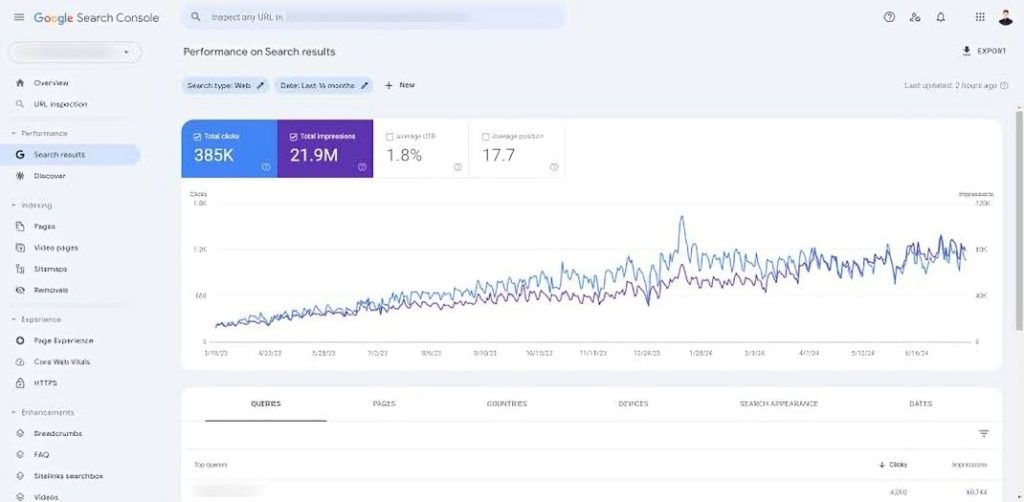

As SEOs, we’re trained to obsess over metrics like search volume and keyword difficulty. These numbers dominate conversations, strategies, and reports. They’re important—no doubt. They help us gauge opportunities and predict how quickly results might come.
But here’s the truth: they’re not always the most important, especially when working in new or growing niches.
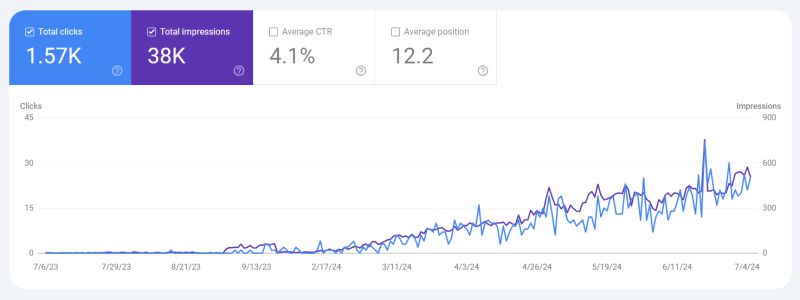
When I Stopped Focusing on Keyword Research
I thank myself for realizing early on that what truly matters is helping readers solve their problems.
In my own project, I didn’t follow the traditional approach of keyword research. I wasn’t chasing high-volume, low-competition keywords. Instead, my starting point was different:
- What are my target audience’s problems?
- How can I provide solutions that actually help them?
I didn’t care whether they were searching on Google or not. My mission was simple—understand their problems and address them.
The Power of Short, Targeted Content
Six months into this approach, I’ve published over 50 blogs, each just 600–700 words long. And here’s why I chose that length:
- Audience psychology – I studied my target readers. What do they do? How intellectual are they? How much content can they consume in one sitting?
- Depth of the problem – If a problem can be solved in 600 words, why stretch it unnecessarily?
This balance helped me create content that was easy to consume yet genuinely valuable.
Authority Built on Solutions, Not Metrics
The results have been eye-opening. By focusing on problems instead of keywords:
- I’ve built real authority in my niche.
- My content has successfully navigated Google’s March and June updates without losing traction.
- I’ve connected with my audience on a deeper level because they see me as someone who solves problems, not just creates content.
The Real Lesson for SEO Professionals
Here’s what I’ve learned:
If you consistently talk about real problems and deliver actual solutions, search volume, competition, and even algorithm updates won’t matter as much.
Metrics are useful, but they should never replace audience understanding. In the long run, helpfulness beats numbers—every single time.
That’s my journey. If you’re building content today, don’t just look at the search volume—look at the human being behind the search.